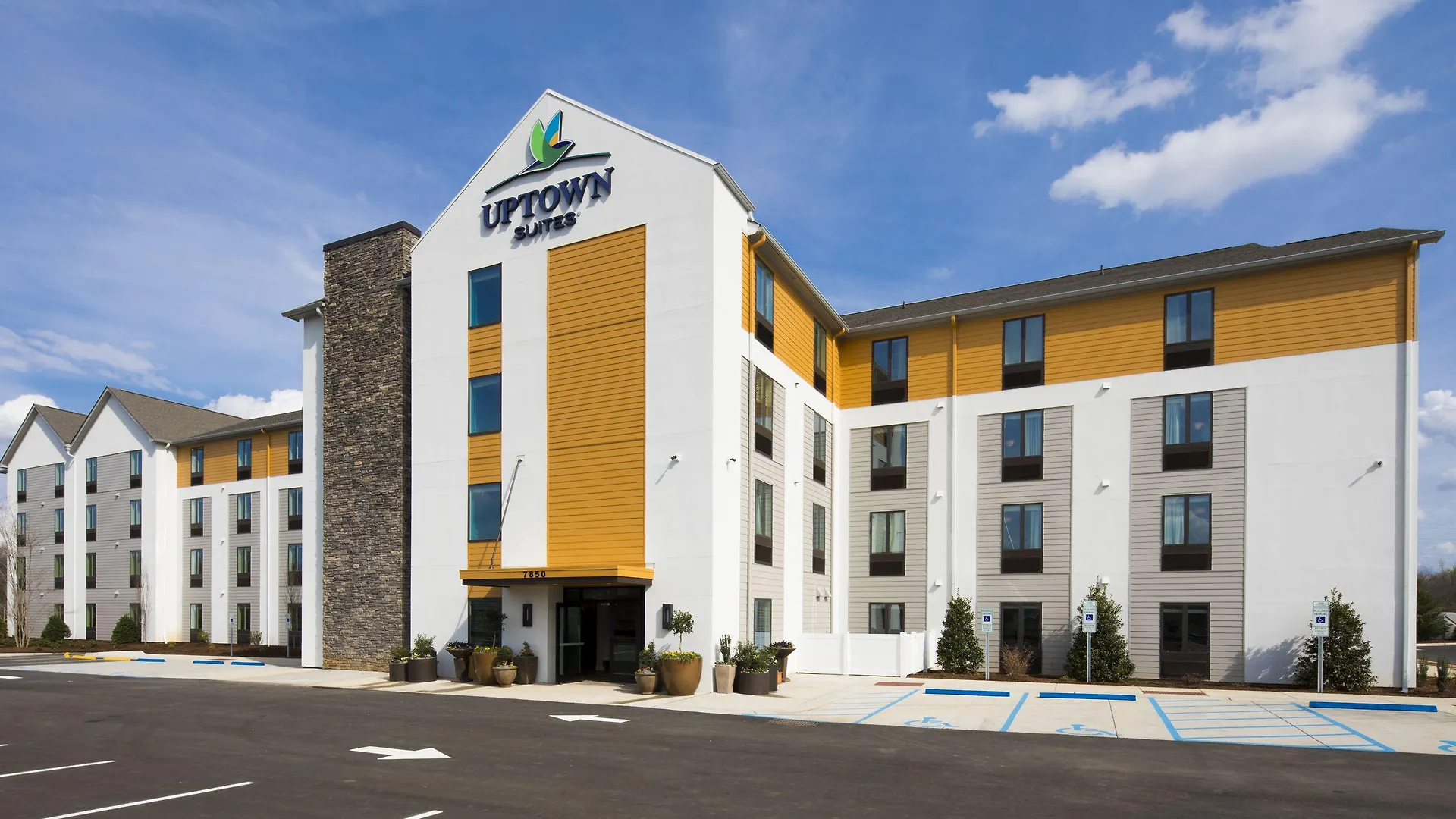
Roosevelt National Forest spans over 780,000 acres of the Colorado Front Range, covering terrain from canyon trails near Fort Collins to alpine summits above Boulder. Visitors come primarily to hike, fish, camp, and access backcountry routes - but overnight stays inside the forest are limited to campgrounds, making gateway cities like Fort Collins, Westminster, Arvada, Lakewood, and Denver the practical bases for a comfortable night's sleep. This guide covers 6 hotels positioned to give you efficient access to the forest while keeping you close to real amenities.
What It's Like Staying Near Roosevelt National Forest
Roosevelt National Forest has no commercial lodging inside its boundaries - every hotel option puts you in one of the surrounding Front Range communities, which means your morning commute to the trailhead matters. Most access points along the Poudre Canyon (Highway 14) or Peak-to-Peak Highway are reachable within around 45 minutes from Fort Collins or Longmont. The forest draws heaviest crowds from late June through early September, particularly at popular trailheads like Horsetooth Mountain Open Space and the Rawah Wilderness. Staying in a gateway city gives you the flexibility to arrive at trailheads early - a critical advantage when parking lots at spots like Brainard Lake fill by 8 a.m. on summer weekends.
Fort Collins is the most strategically placed base for northern forest access via the Cache la Poudre corridor, while Arvada and Lakewood serve travelers targeting the southern and central sections near Eldorado Canyon and Golden Gate Canyon.
Pros:
- Direct highway access to multiple trailheads along Highway 14 and the Peak-to-Peak Scenic Byway
- Gateway cities offer full-service dining, gear shops, and fuel - none of which exist inside the forest
- Wide range of accommodation styles and price points across the Front Range corridor
Cons:
- No lodging inside the forest itself - all hotels require a drive to trailheads
- Summer weekend trailhead parking fills early, requiring pre-dawn departures from your hotel
- Some gateway cities like Fort Lupton add significant drive time to the most popular forest sections
Why Choose a Hotel Near Roosevelt National Forest
Hotels near Roosevelt National Forest offer a fundamentally different experience from camping - consistent hot showers after long trail days, reliable WiFi for trip planning, and access to fitness centers that matter when you're covering serious elevation gain daily. Extended-stay and suite-style hotels dominate the Front Range corridor, giving hikers and outdoor travelers kitchenettes to prep their own trail meals - a practical cost-saver over a multi-night trip. Compared to mountain resort towns like Estes Park, where rates spike dramatically in summer, gateway city hotels like those in Westminster or Lakewood typically run at a lower nightly rate while still putting you within a feasible drive of the forest. The trade-off is clear: you gain amenity depth and price stability, but you surrender the immediacy of waking up inside wilderness terrain. Travelers staying 3 or more nights benefit most from extended-stay formats with full kitchens, while weekend visitors prioritize proximity and parking flexibility.
Pros:
- Suite and extended-stay formats with kitchenettes allow self-catering - essential for multi-day outdoor itineraries
- Gateway city hotels include free parking - critical for travelers loading gear and driving to trailheads daily
- Indoor swimming pools and fitness centers help recovery after high-altitude hiking days
Cons:
- None of these hotels offer direct trail access - every forest visit requires a vehicle
- Locations closer to Denver International Airport add highway congestion to morning drives toward the forest
- Limited walkable dining in some suburban gateway locations means more reliance on driving for meals
Practical Booking & Area Strategy
For access to Roosevelt National Forest's northern sections - including the Cache la Poudre Wild and Scenic River corridor and Rawah Wilderness trailheads - Fort Collins is the most tactically sound base, cutting your morning drive to under 30 minutes on most routes. Travelers targeting the southern forest zones near Brainard Lake Recreation Area or the Indian Peaks Wilderness should position in Arvada or Westminster, both of which sit within around 45 minutes of Boulder County access points via US-36 or Colorado Highway 119. For airport arrivals, the DoubleTree near Denver International Airport reduces post-flight logistics but adds commute time to the forest's core hiking areas. Book at least 6 weeks ahead for summer weekends - Front Range hotel demand surges in July and August as both forest visitors and Denver metro residents compete for the same inventory. The Peak-to-Peak Scenic Byway (Highway 72 and 7) is the most scenic driving corridor between your hotel and the forest's central sections, passing through Nederland and Ward.
Best Value Stays
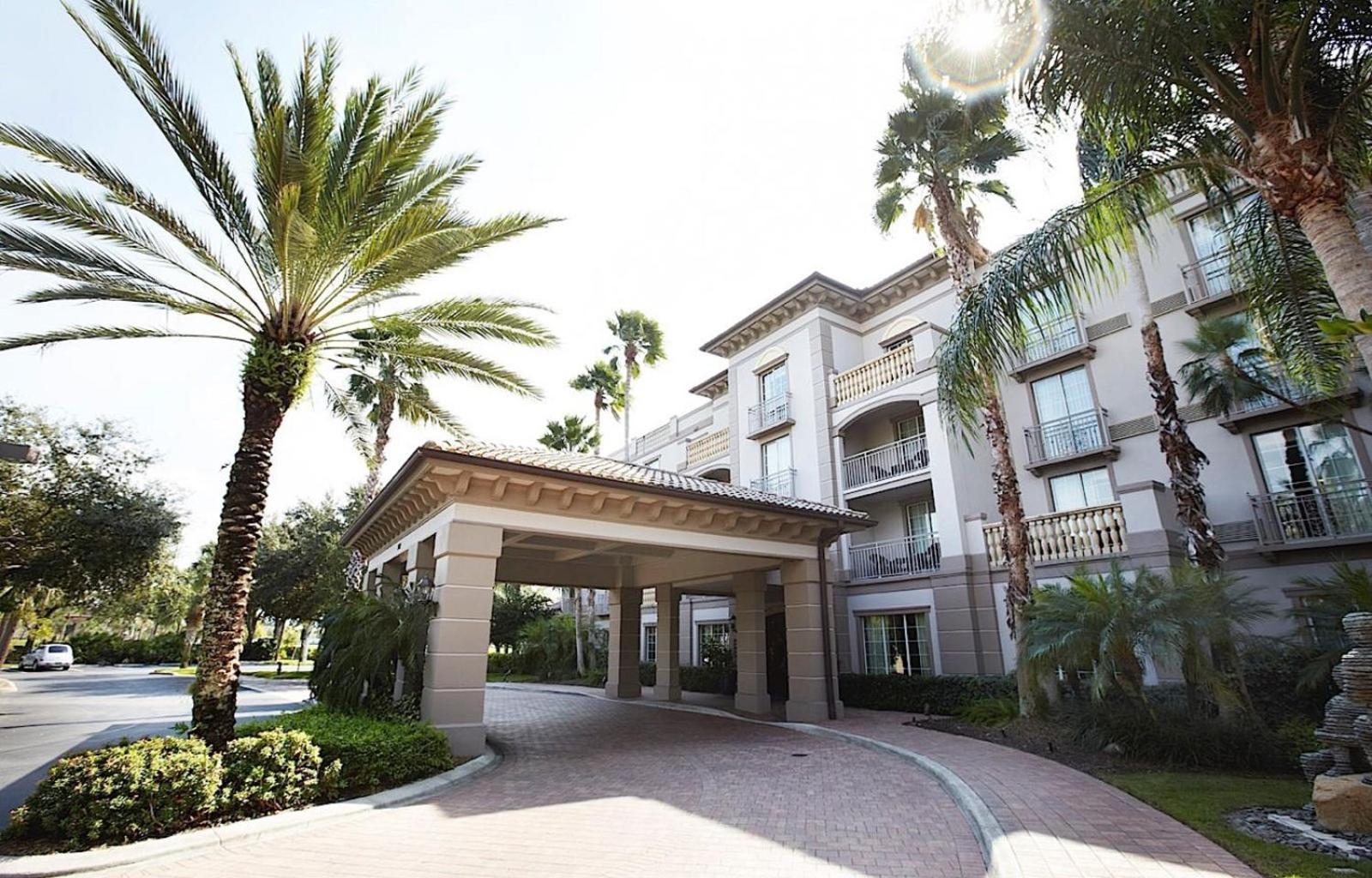
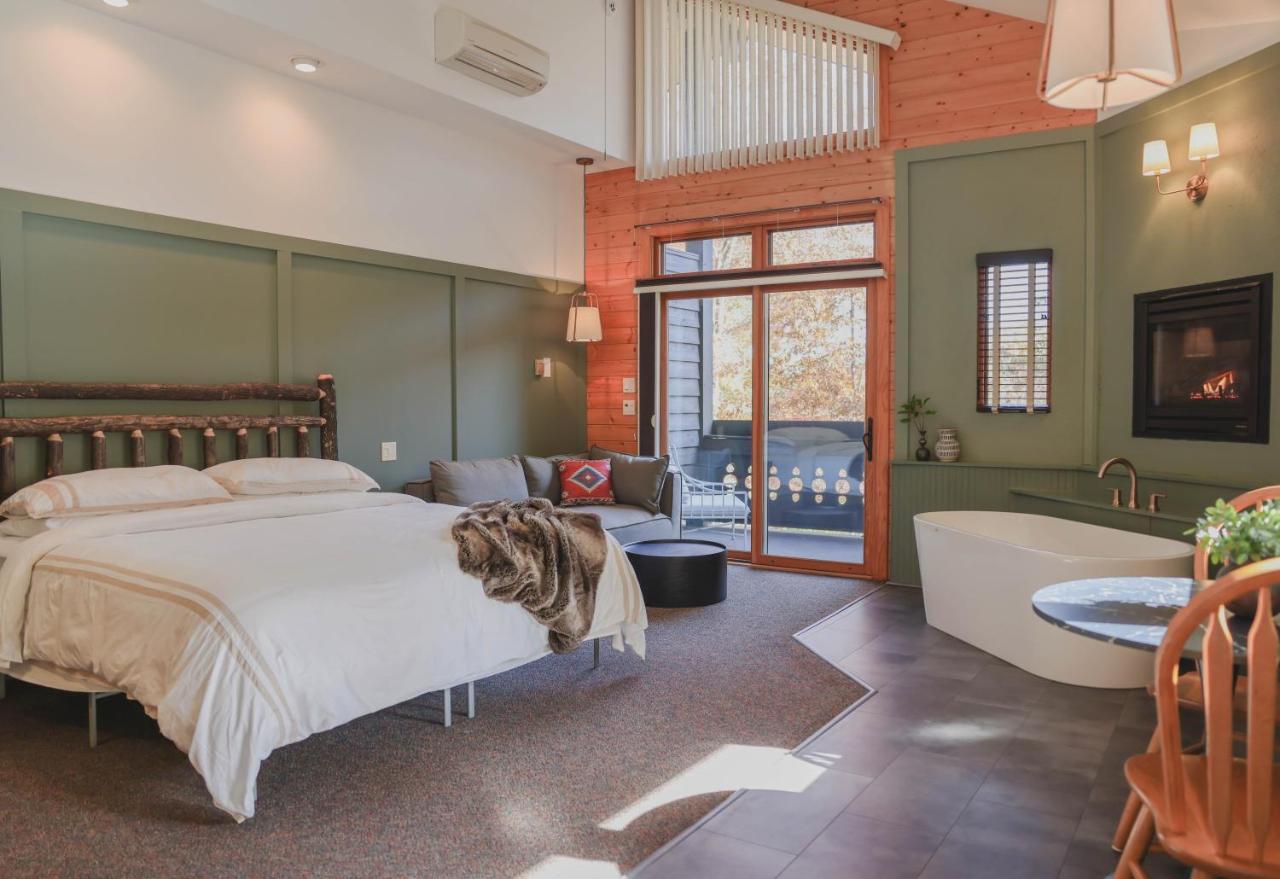
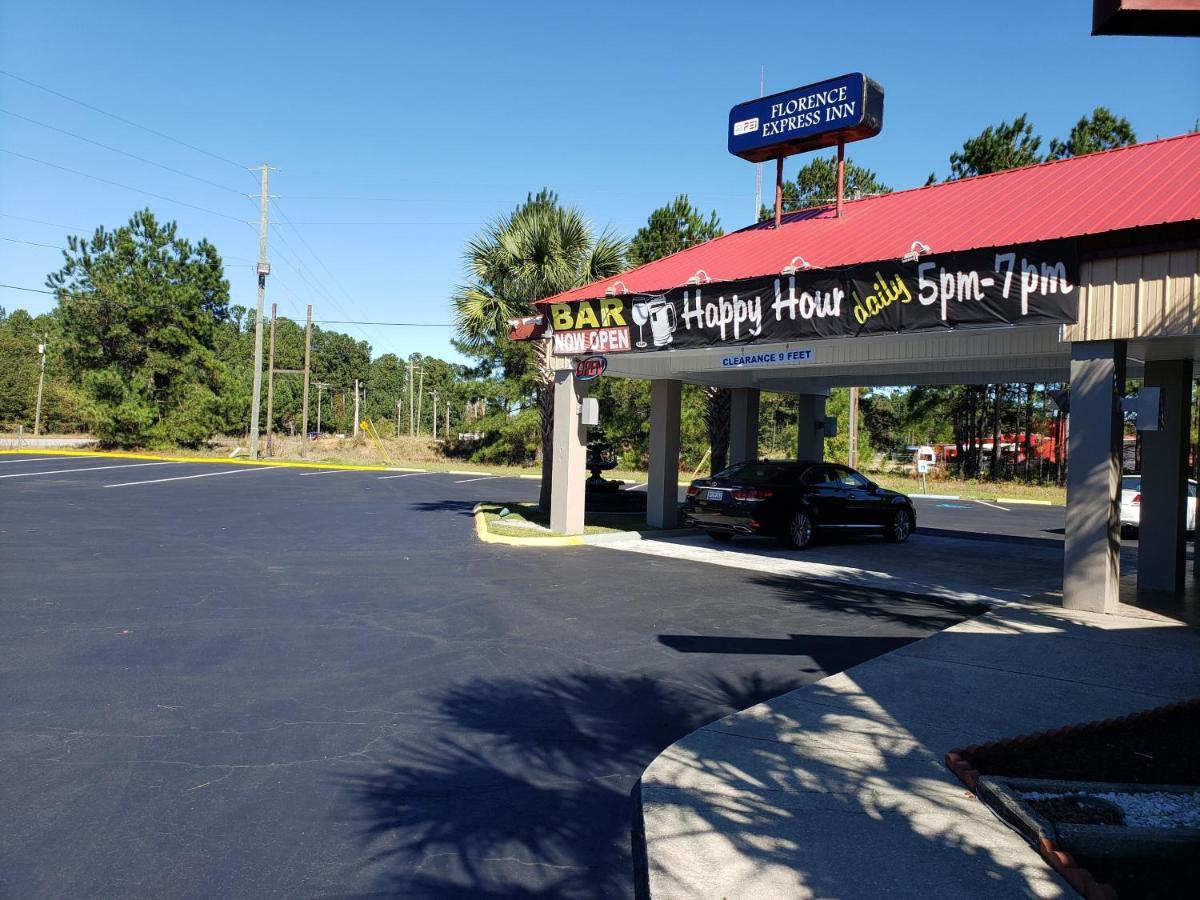
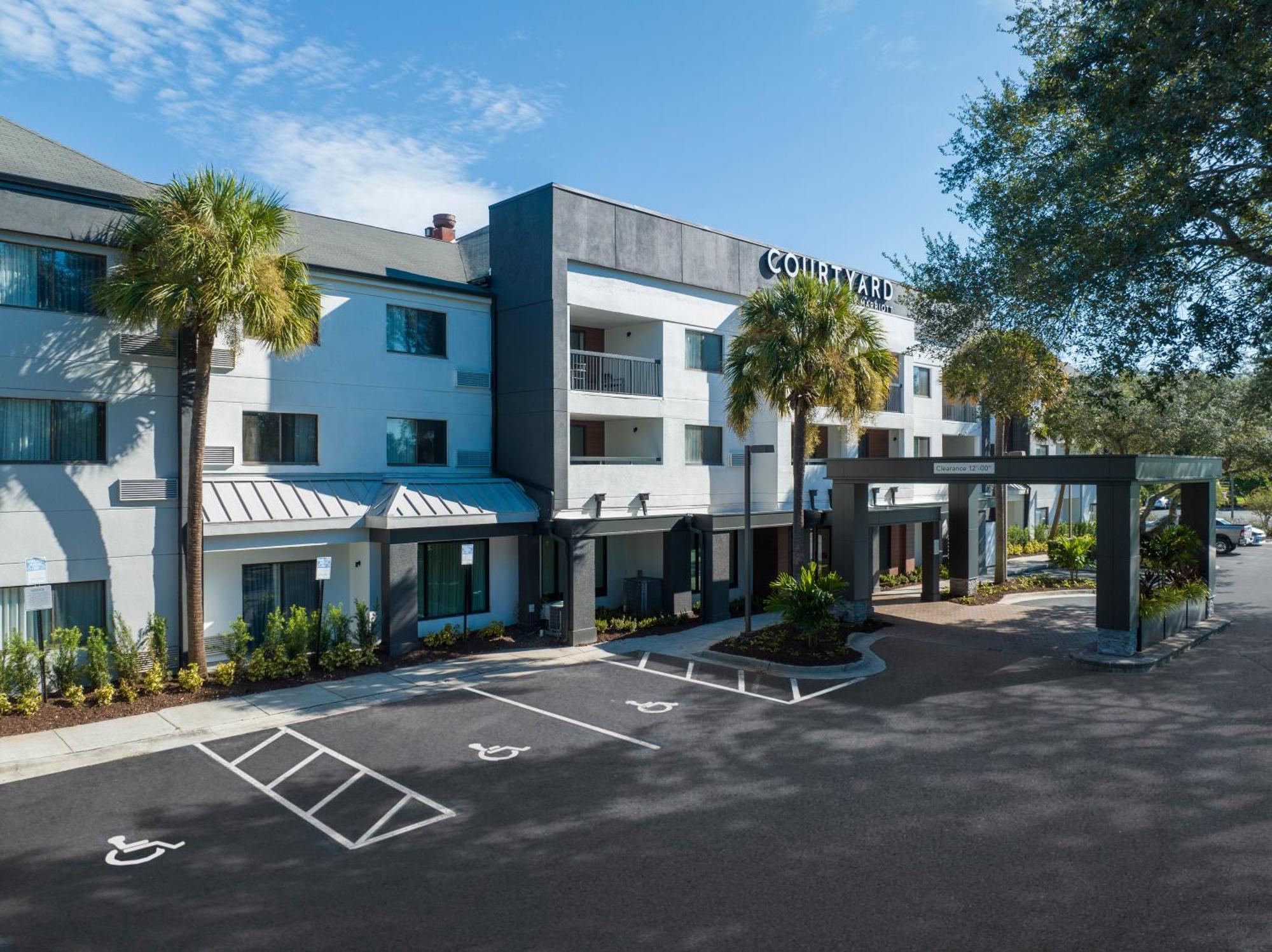
These hotels offer strong practical utility for Roosevelt National Forest visitors - free parking for gear-loaded vehicles, kitchen access for self-catering, and competitive nightly rates across the Front Range suburban corridor.
-
1. Uptown Suites Extended Stay Denver Co -Westminster
Show on map


 Check-infrom 15:00 until 23:59Check-outuntil 12:00
Just a few rooms left at the best rate!
fromUS$ 67
-
2. Candlewood Suites Fort Collins By Ihg
Show on map


 Check-infrom 15:00 until 23:59Check-outuntil 11:00
Just a few rooms left at the best rate!
fromUS$ 110
-
3. Econo Lodge Fort Lupton
Show on map


 Check-infrom 15:00 until 23:59Check-outuntil 11:00
Hurry – almost gone at this price!
fromUS$ 85
Best Premium Stays
These hotels offer expanded amenities - buffet breakfasts, indoor pools, airport connectivity, and full-service dining - for travelers who want more comfort infrastructure around their Roosevelt National Forest itinerary.
-
4. Residence Inn By Marriott Arvada Denver West
Show on map


 Check-infrom 15:00 until 23:59Check-outuntil 12:00
Hurry – almost gone at this price!
fromUS$ 169
-
5. Best Western Denver Southwest
Show on map


 Check-infrom 15:00 until 23:59Check-outuntil 11:00
Rooms filling fast – secure the best rate!
fromUS$ 168
-
6. Doubletree By Hilton Denver International Airport, Co
Show on map


 Check-infrom 15:00 until 23:59Check-outuntil 12:00
Rooms filling fast – secure the best rate!
fromUS$ 174
Smart Travel & Timing Advice for Roosevelt National Forest
Late June through August is peak season for Roosevelt National Forest - wildflower blooms, accessible high-altitude trails, and the Cache la Poudre river running at prime levels for fly fishing all coincide in this window. Hotel rates in Fort Collins and Boulder-adjacent cities climb noticeably during this period, particularly on Friday and Saturday nights when Denver-based weekend travelers fill inventory. Shoulder season - specifically September and early October - offers the most favorable combination of trail conditions, autumn foliage along the Poudre Canyon, and manageable hotel pricing. Book Front Range hotels at least 6 weeks in advance for any July or August weekend. Winter access to the forest is limited by road closures on upper Highway 14 past Chambers Lake, but snowshoeing and cross-country skiing remain accessible from lower trailheads, and hotel rates in the gateway cities drop significantly from November through March. A minimum 3-night stay makes the most logistical sense - the forest's geographic spread across the Front Range means you'll want at least one full day in the northern Poudre zone, one in the central Indian Peaks area, and one flexible day for weather adjustments.