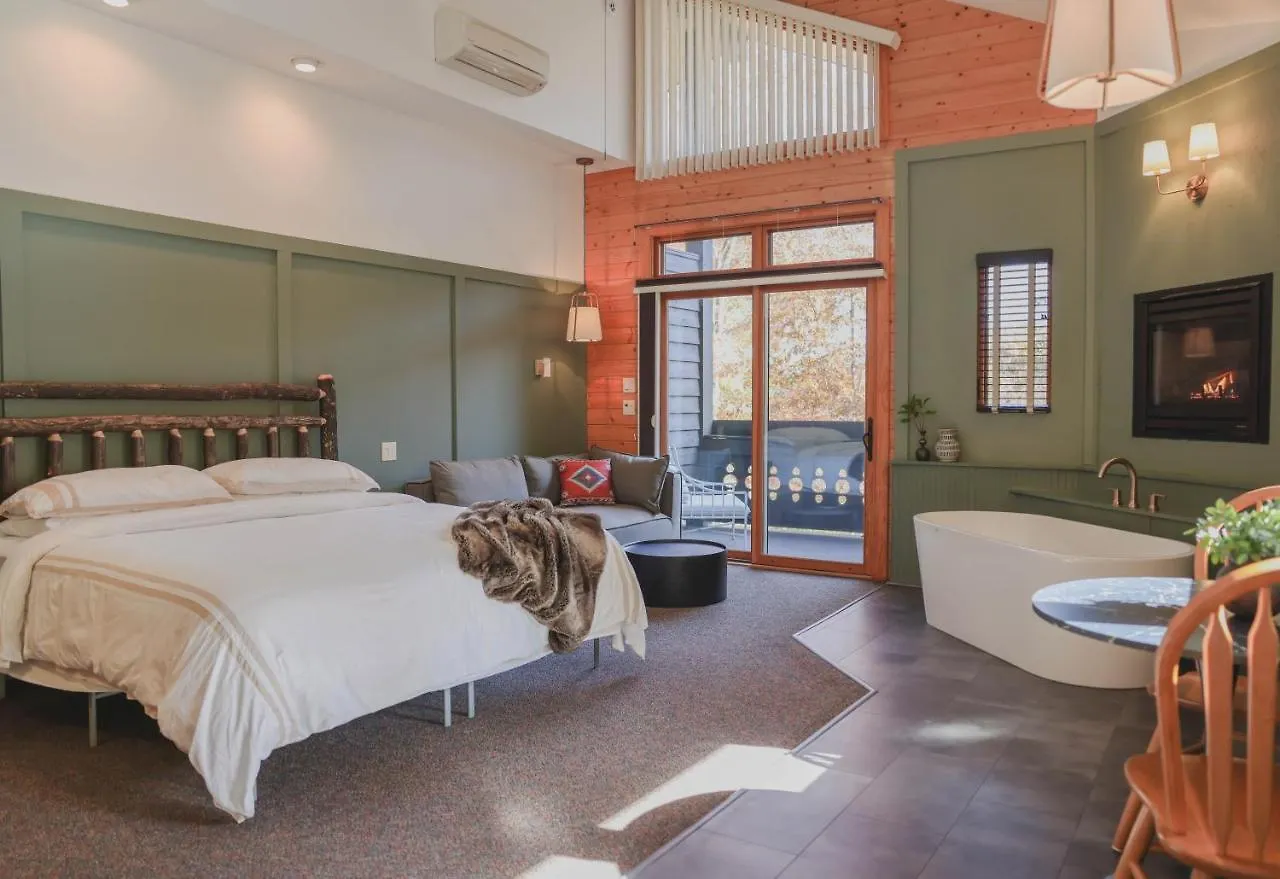
The Blue Ridge Mountains stretch across several states in the eastern United States, covering gateway towns like Cherokee, Whittier, Dillsboro, and Clemson - each offering a distinct base for exploring the region. Whether you're targeting the Great Smoky Mountains National Park, the Blue Ridge Parkway, or Harrah's Cherokee Casino, where you base yourself directly shapes how much driving, hiking, and sightseeing you can realistically pack in. This guide breaks down 4 hotels across the Blue Ridge Mountain corridor to help you choose the right stay for your itinerary.
What It's Like Staying In The Blue Ridge Mountains
The Blue Ridge Mountains region is built for outdoor-focused travel - hiking trails, scenic drives, whitewater rafting, and Cherokee cultural sites anchor most itineraries. Towns are spread out, and a car is essentially mandatory: distances between attractions routinely exceed 30 kilometers, and public transit is virtually nonexistent. Visitor traffic peaks sharply in October during fall foliage season, which also drives accommodation prices up by around 40%, so booking well ahead is critical during that window.
Travelers who prefer walkable urban environments with restaurants and nightlife on the doorstep will find the mountain towns underwhelming in that regard. This region rewards those who come specifically for nature, Indigenous history, or casino resort access near Cherokee.
Pros:
- Direct access to Great Smoky Mountains National Park and Blue Ridge Parkway without long airport drives
- Accommodation costs remain lower than comparable national park gateway regions
- Strong mix of outdoor activities - hiking, cycling, whitewater rafting - available within a short drive of most hotels
Cons:
- No meaningful public transportation between towns; car rental is non-negotiable
- Dining and evening entertainment options outside Cherokee are limited
- Cell service and internet connectivity can be inconsistent in more rural lodging areas
Why Choose A Hotel In The Blue Ridge Mountains
Hotels in the Blue Ridge Mountains corridor offer a more structured base than cabin rentals - with daily housekeeping, front desk support, and included breakfast options that suit travelers who want to maximize time outdoors rather than managing a self-catered property. Prices at 3- and 4-star hotels in towns like Cherokee, Whittier, and Dillsboro tend to run more affordably than comparable properties near more commercialized national park entrances like Gatlinburg. Room sizes are generally generous by U.S. standards, with many properties offering mountain-view balconies or patios - a feature rarely guaranteed at urban hotels in the same price tier.
The trade-off is that hotel amenities like spas or rooftop bars are uncommon here; properties lean practical and comfort-focused rather than resort-style. Travelers expecting boutique design aesthetics or high-end dining on-site will need to manage expectations outside of the Clemson market.
Pros:
- Many hotels include free parking, which is essential given car-dependent travel patterns in the region
- Mountain-view balconies and patios are standard features at mid-range properties, not premium add-ons
- Continental or American breakfasts are widely included, reducing daily meal costs on trail days
Cons:
- Limited on-site dining beyond breakfast at most properties outside Clemson
- Seasonal outdoor pools are only operational in summer months, reducing value in shoulder seasons
- Properties closer to Cherokee fill quickly during casino event weekends, limiting last-minute availability
Practical Booking & Area Strategy
Cherokee is the most strategically located base for visitors prioritizing both Great Smoky Mountains National Park and Harrah's Casino, placing you within a short drive of the park's Oconaluftee Visitor Center and the Museum of the Cherokee Indian. Dillsboro and Whittier offer quieter, more affordable alternatives within 30 kilometers of Cherokee, better suited to travelers focused on hiking and scenic rail journeys on the Great Smoky Mountains Railroad. Clemson sits at the southern edge of the Blue Ridge corridor in South Carolina, making it the right base for travelers combining mountain access with visits to Clemson University or Greenville's Peace Center arts district.
Book at least 8 weeks ahead for any October stay - fall foliage draws heavy demand across all gateway towns and options disappear fast. For summer visits, properties near Cherokee with outdoor pools offer the best value for families. The Blue Ridge Parkway itself can be accessed from multiple points; positioning in Whittier or Dillsboro puts you closer to the western North Carolina sections without paying Cherokee's premium weekend rates.
Top things to do in the region include hiking in Great Smoky Mountains National Park, scenic drives on the Blue Ridge Parkway, the Great Smoky Mountains Railroad excursion from Bryson City, and cultural visits to the Museum of the Cherokee Indian. Harrah's Cherokee Casino is a major draw for non-hiking visitors.
Best Value Stays
These three properties deliver practical, well-equipped accommodation across the Blue Ridge Mountain corridor - strong choices for travelers prioritizing location access, included amenities, and free parking over luxury finishes.
-
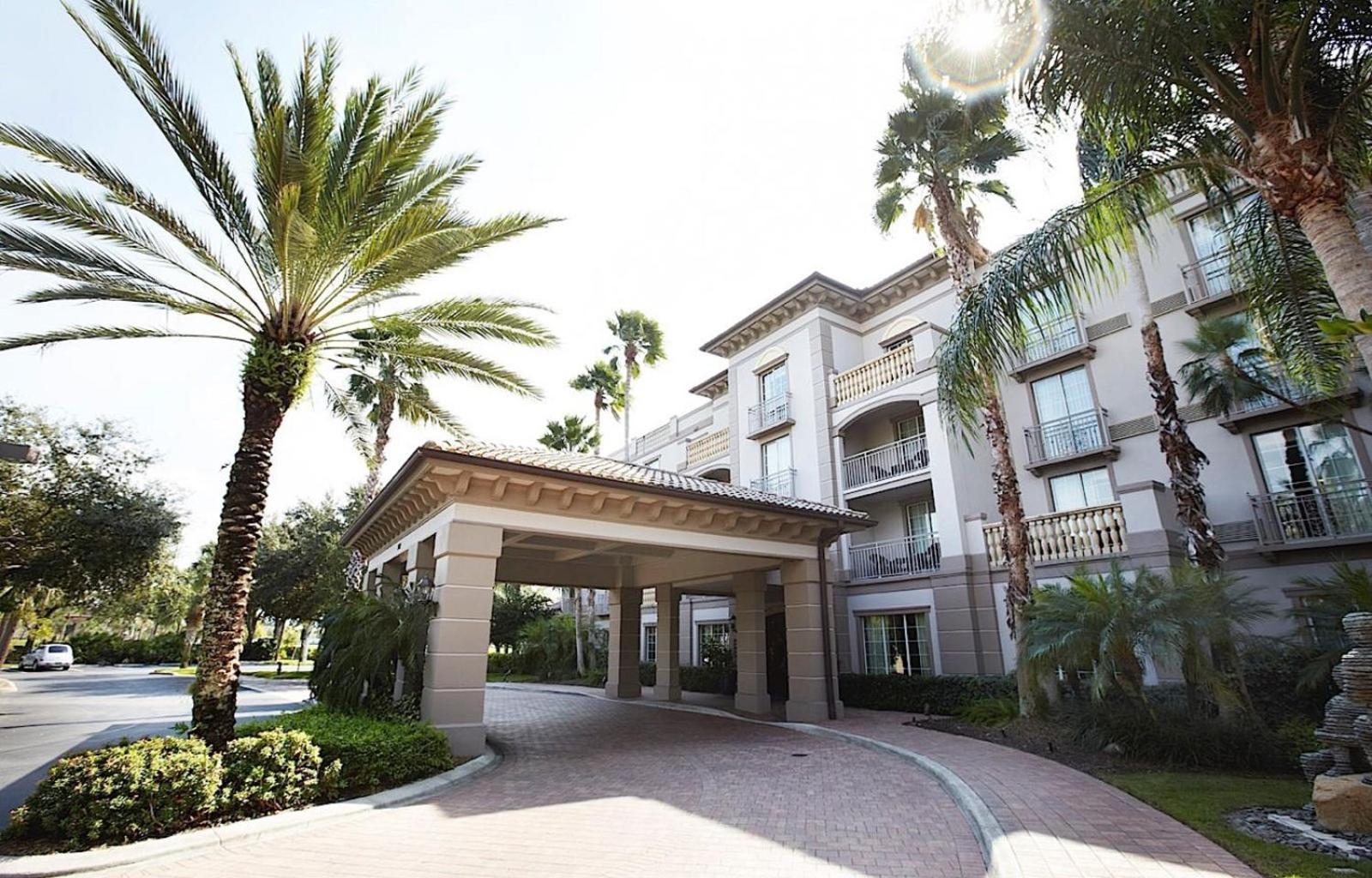
1. Outland Chalet & Suites Great Smoky Mountains
Show on map


 Check-infrom 16:00 until 23:59Check-outuntil 10:00
Just a few rooms left at the best rate!
fromUS$ 390
-
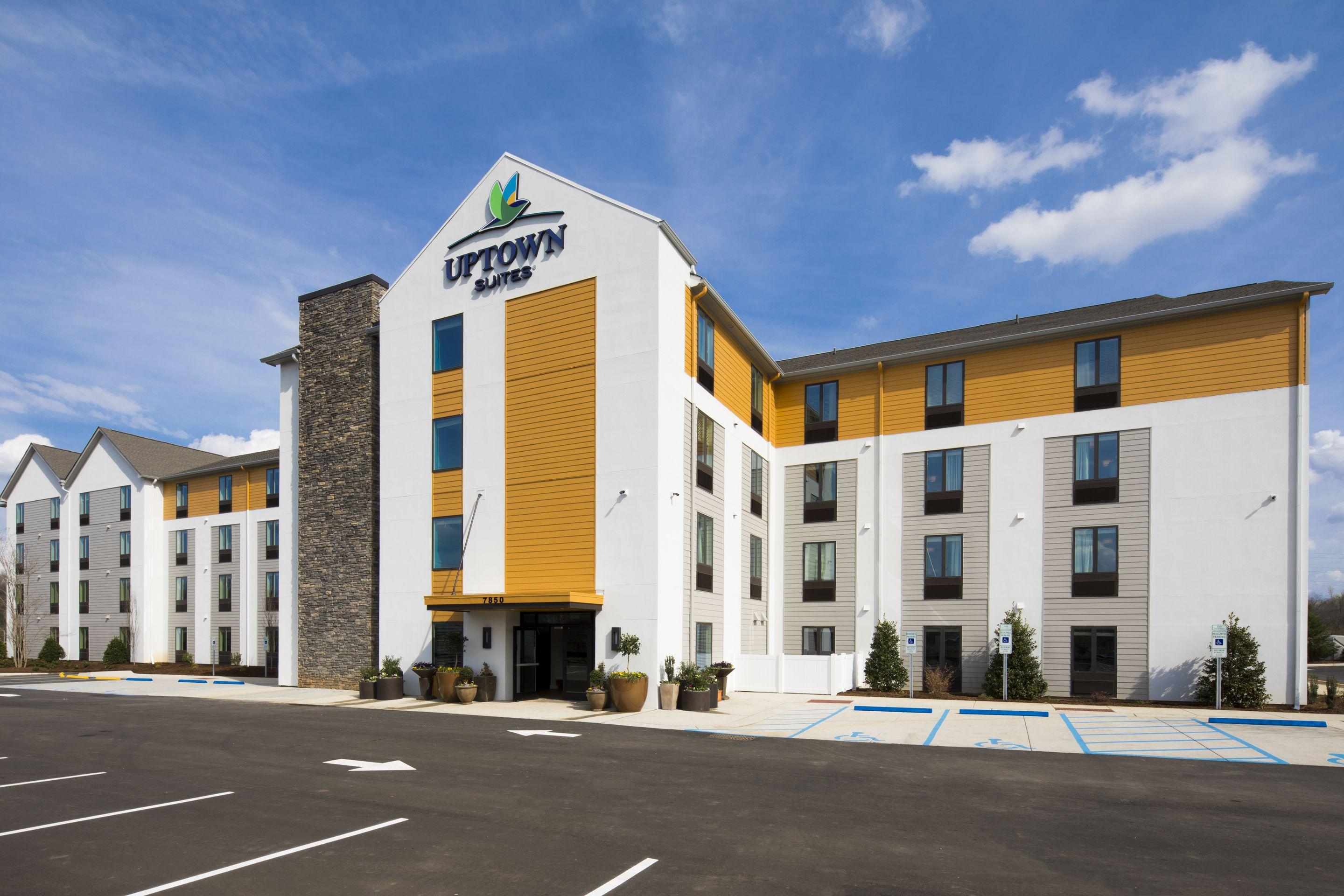
2. Bay Mountain Inn Cherokee Smoky Mountains
Show on map


 Check-infrom 16:00 until 23:00Check-outfrom 08:00 until 11:00
Just a few rooms left at the best rate!
fromUS$ 65
-
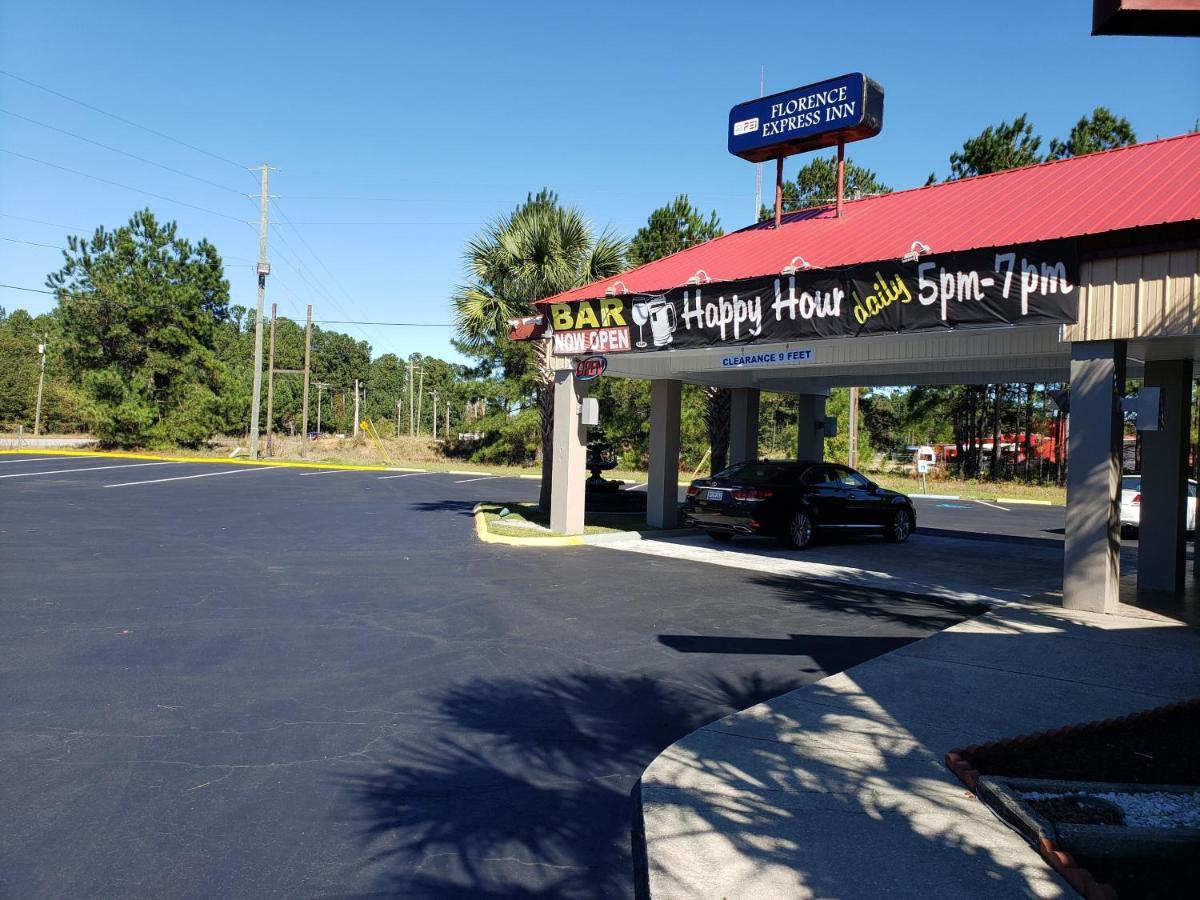
3. Clarion Pointe Sylva Near Cherokee Area
Show on map


 Check-infrom 16:00 until 23:59Check-outuntil 11:00
Hurry – almost gone at this price!
fromUS$ 169
Best Premium Stay
For travelers who want a more polished hotel experience with dining and bar access on-site, the Clemson market delivers the most complete urban-adjacent mountain stay in the corridor.
-
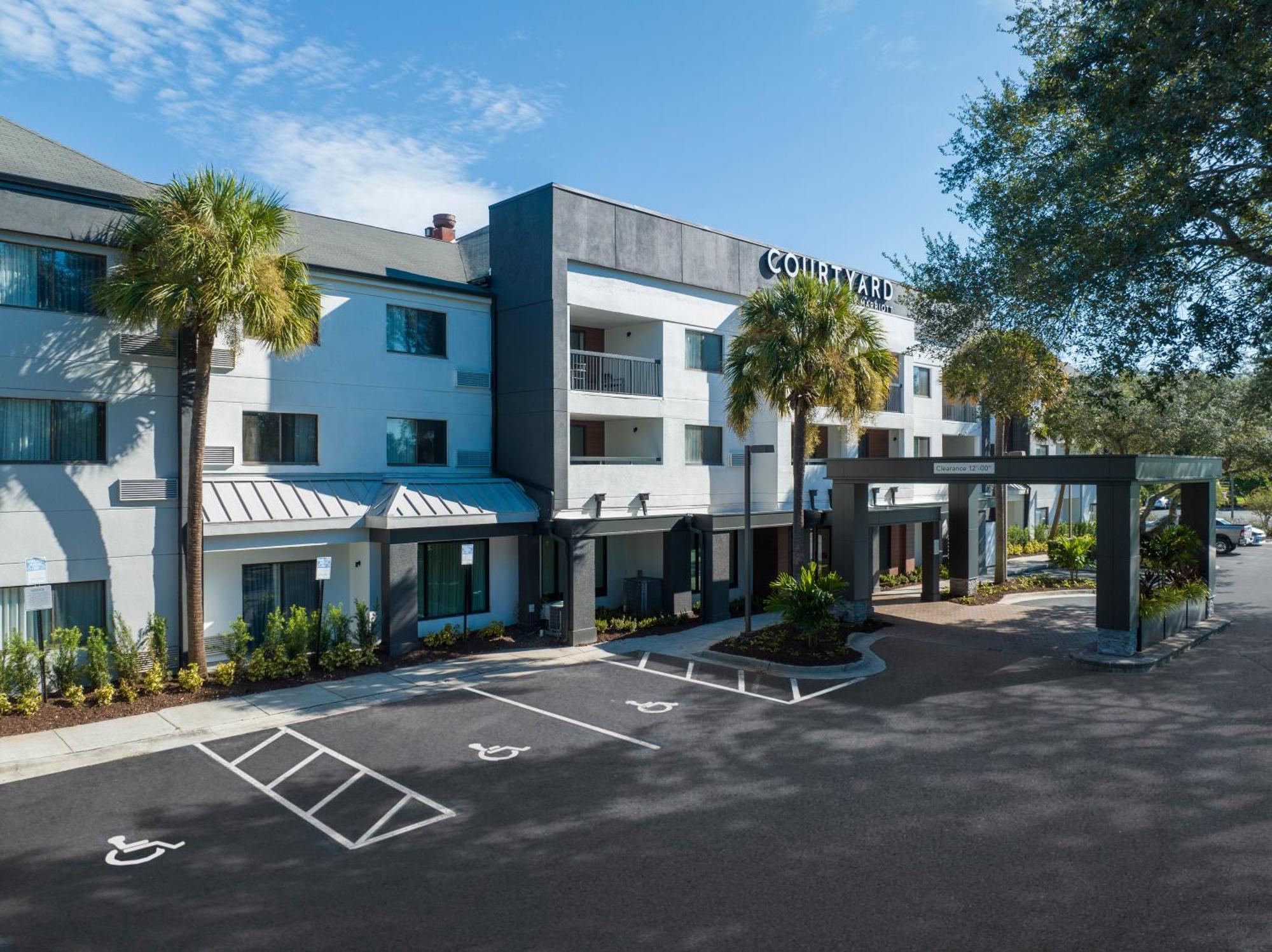
4. The Shepherd Hotel Downtown Clemson
Show on map


 Check-infrom 16:00 until 23:59Check-outuntil 11:00
Rooms filling fast – secure the best rate!
fromUS$ 382
Smart Travel & Timing Advice For The Blue Ridge Mountains
October is the single most competitive booking month across the entire Blue Ridge Mountains region - fall foliage peaks between mid-October and early November, and occupancy across Cherokee, Whittier, and Dillsboro reaches near-capacity. Prices during this window rise by around 40% compared to summer rates, and properties near the Great Smoky Mountains Railroad sell out weeks in advance. Book at least 8 weeks ahead for any October dates without exception.
June through August brings family-focused summer demand, particularly at properties with outdoor pools like Bay Mountain Inn and Clarion Pointe Sylva. Late April and early May offer a quieter, cheaper window - wildflower blooms on the Blue Ridge Parkway are a genuine draw during this period, and hotel availability remains flexible. November after foliage drop and March before spring warming are the quietest periods, with the lowest rates and minimal trail crowds. A minimum of 3 nights is recommended to cover both Great Smoky Mountains National Park and the Cherokee cultural sites without feeling rushed. Last-minute bookings in peak season are high-risk in this region; the town infrastructure is limited and alternative options within a reasonable drive fill simultaneously.