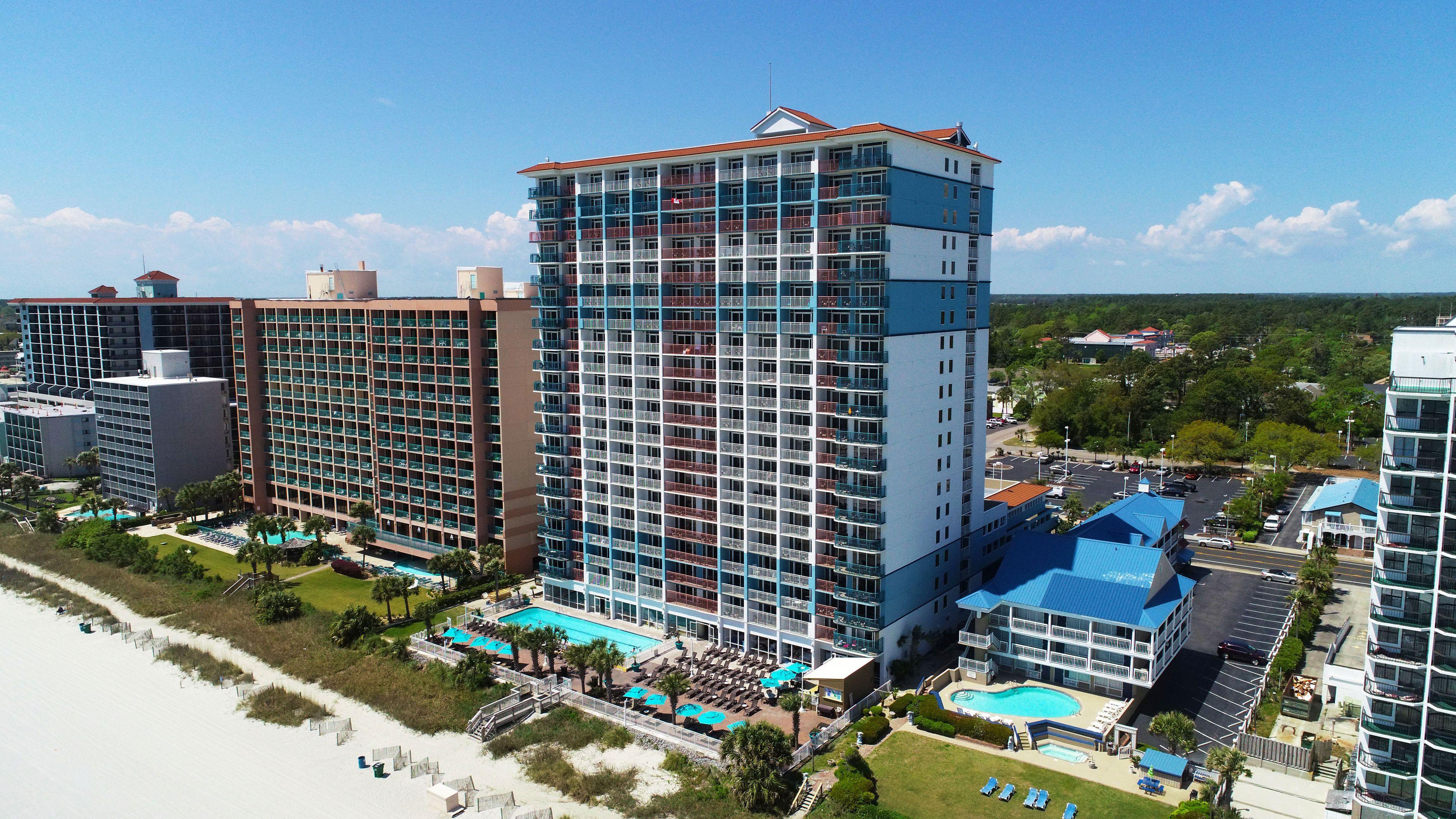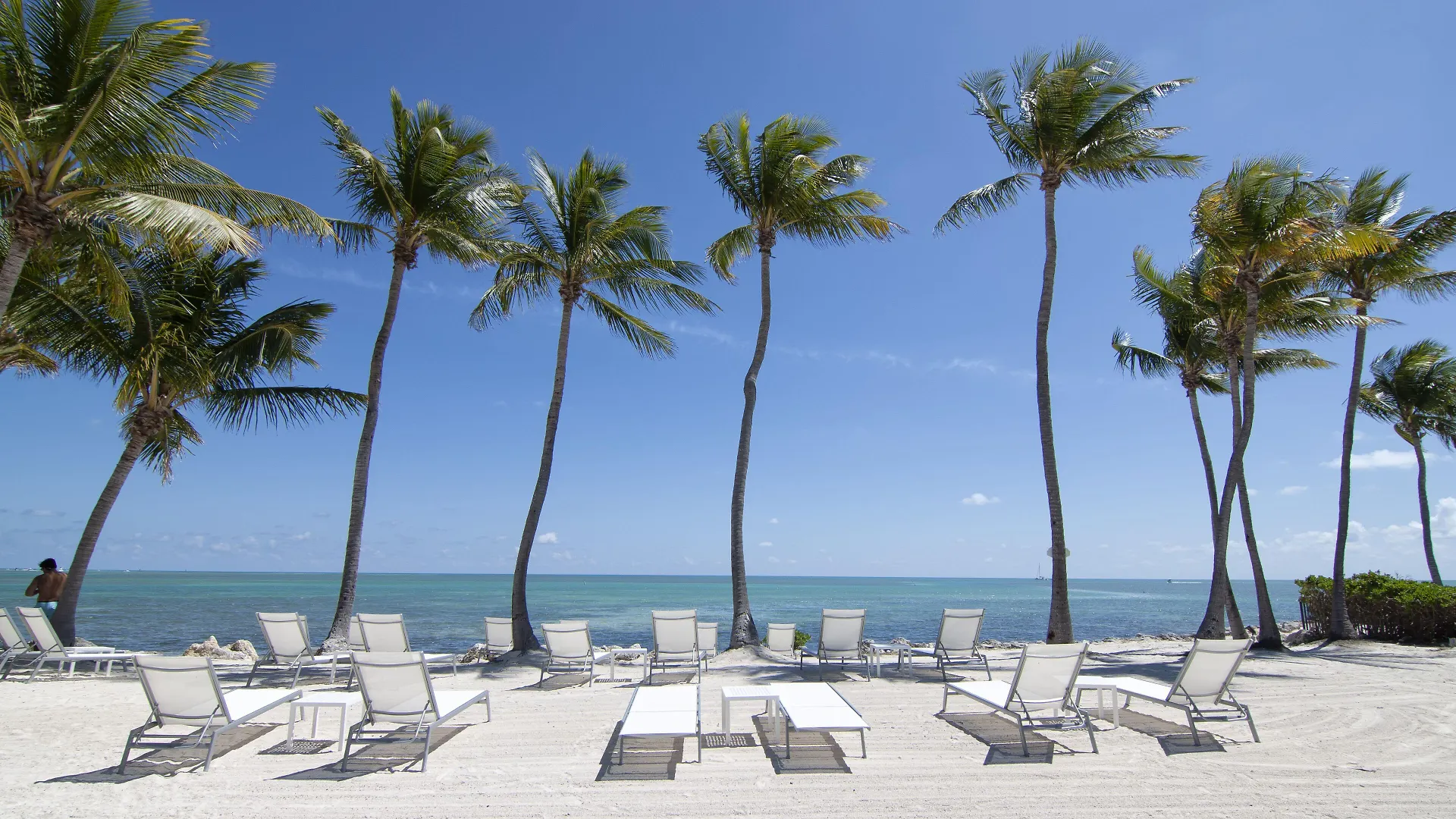
The stretch of US-1 running through Islamorada's Upper Keys places the History of Diving Museum within walking distance of a cluster of genuine oceanfront resorts - not just hotels with a pool, but properties sitting directly on Florida Bay or the Atlantic. This guide breaks down the five best beach hotels near the History of Diving Museum, with real distances, practical trade-offs, and the key details that actually affect your stay.
What It's Like Staying Near History of Diving Museum
The area surrounding the History of Diving Museum sits along the Overseas Highway (US-1) in Islamorada, a village-style stretch of the Upper Florida Keys where the Atlantic Ocean and Florida Bay run parallel. This is not a walkable resort strip - the highway is the spine of the area, and most properties are accessed by car, though a few sit close enough to the museum for a genuine 5-minute walk. Crowds here follow water and season, not foot traffic: the area stays relatively calm on weekdays outside of winter peak season, but fills fast between December and March when snowbirds and divers converge. Staying near the museum means immediate access to Islamorada's dive culture, sport fishing charter docks, and the Theater of the Sea, all within a short drive or bike ride. Travelers who want a walkable urban scene or nightlife strip will find this area too spread out; those who want direct beach or bay access with minimal commute to dive shops and water sports will find it matches their rhythm precisely.
Pros:
- Direct access to oceanfront and bayside beaches within the hotel grounds at most properties
- The History of Diving Museum is walkable from at least one of these hotels, cutting out car dependency for the main attraction
- Windley Key Fossil Reef Geological State Park is under 5 minutes by car from all listed properties
Cons:
- No walkable restaurant district - dining options require a short drive along US-1
- Highway noise is a real factor at properties closest to US-1 frontage
- Limited public transport means a rental car is effectively mandatory for most activities
Why Choose Beach Hotels Near History of Diving Museum
Beach hotels in this corridor offer something that generic Keys accommodations don't: private beach or bay frontage combined with on-site water sports facilities, which eliminates the need to rent equipment or drive to a marina separately. Most of the oceanfront properties here include kayaks, paddleboards, or boat docking as part of the stay, making the daily routine for water-focused travelers considerably more efficient. Room sizes at these resorts run noticeably larger than standard Keys motel rooms, with several properties offering full kitchens or kitchenettes - relevant when dining out twice a day along a highway strip adds up quickly. The trade-off is that beachfront positioning often places you further from the museum itself, and premium bay or ocean views can push nightly rates up by around 40% compared to non-waterfront alternatives in the same zip code.
Pros:
- On-site watersports equipment (kayaks, paddleboards, snorkeling gear) available at multiple properties, reducing daily logistics
- Full kitchens or kitchenettes at several hotels cut meal costs significantly over multi-night stays
- Private beach or dock access means no sharing of public beach strips during high season
Cons:
- Premium waterfront positioning adds meaningful cost compared to inland or highway-adjacent options
- Ocean-facing rooms can experience wind and salt exposure that affects outdoor comfort in certain seasons
- Pools are outdoor only - not suitable for travelers seeking enclosed or heated facilities
Practical Booking & Area Strategy
The tightest cluster of hotels relative to the History of Diving Museum sits along US-1 between MM 82 and MM 84 in Islamorada - Chesapeake Beach Resort sits within a 3-minute walk of the museum itself, making it the only property in this group with genuine foot access to the attraction. Properties further along the highway, such as Drop Anchor Resort & Marina (adjacent to Windley Key Fossil Reef Geological State Park) and Fisher Inn Resort & Marina, sit within a short drive but are not walking distance. Book at least 8 weeks ahead if you're targeting January through March - this is when Florida Keys occupancy peaks and beachfront inventory at these smaller resorts sells out fast. Beyond the museum, the Theater of the Sea is under 10 minutes by car, Indian Key Historic Park is accessible by kayak or boat from nearby marina docks, and Long Key State Park is around 15 minutes south on US-1, making the immediate area a practical base for exploring the mid-Keys without relocating. Nighttime atmosphere is quiet and residential - there is no bar strip within walking distance, so travelers expecting evening walkability should factor in a car trip for dinner.
Best Value Beach Stays
These properties offer direct beachfront or bayside access with practical on-site amenities at rates that stay competitive within Islamorada's oceanfront market.
-
1. Chesapeake Beach Resort
Show on map


 Check-infrom 16:00 until 23:00Check-outfrom 07:00 until 11:00
Just a few rooms left at the best rate!
fromUS$ 149
-
2. Fisher Inn Resort & Marina
Show on map


 Check-infrom 16:00 until 20:30Check-outuntil 11:00
Just a few rooms left at the best rate!
fromUS$ 214
-
3. Drop Anchor Resort & Marina
Show on map


 Check-infrom 15:00 until 20:00Check-outuntil 11:00
Hurry – almost gone at this price!
fromUS$ 343
-
4. Bayside Villas By Islander Resort
Show on map


 Check-infrom 16:00 until 23:59Check-outuntil 11:00
Hurry – almost gone at this price!
fromUS$ 191
Best Premium Beach Stay
For travelers who want resort-scale infrastructure, multiple dining options, and luxury amenities within the same Islamorada corridor as the History of Diving Museum.
-
5. Cheeca Lodge & Spa
Show on map


 Check-infrom 16:00 until 23:59Check-outuntil 11:00
Rooms filling fast – secure the best rate!
fromUS$ 185
Smart Travel & Timing Advice for Islamorada
Islamorada's peak occupancy window runs December through March, driven by winter escapes from the Northeast and Midwest combined with the prime diving and sportfishing season in the Florida Keys. Book beachfront rooms at least 8 weeks in advance for stays in January or February - smaller resorts like Drop Anchor and Fisher Inn have limited inventory, and last-minute availability in peak season is rare. April and May offer a useful shoulder window: water temperatures remain warm for snorkeling and diving, crowds thin noticeably after spring break, and nightly rates at properties like Cheeca Lodge can drop by around 25% compared to January highs. Summer (June through August) brings heat, humidity, and hurricane-season awareness - rates are lowest, but afternoon thunderstorms are near-daily and tropical weather requires flexible travel insurance. Most visitors find 3 nights sufficient to cover the History of Diving Museum, a dive or snorkel trip, and the Theater of the Sea, though anglers and divers often extend to 5 nights to maximize charter access. The quietest stretch of the year is September through mid-November - reduced crowds, negotiable rates, but reduced charter availability as some operators scale back operations.