Idaho is not the first state travelers picture when thinking about design-forward hospitality, yet that gap between expectation and reality is exactly what makes finding the right hotel here so rewarding. From the high-desert corridor around Jerome and the Snake River Plain to the lakeside energy of Coeur d'Alene in the north and the culturally rich Fort Hall reservation, the state offers a surprisingly varied range of stays with distinct character. This guide covers 4 hotels across Idaho that stand out for their facilities, setting, or unique positioning - helping you match your stay to your actual itinerary rather than a generic booking algorithm.
What It's Like Staying in Idaho
Idaho operates on a slower travel rhythm than most western states, which is a feature, not a flaw. Outside of Sun Valley ski season and summer whitewater periods, crowds at major sites like Craters of the Moon National Monument or the Sawtooth Mountains stay manageable, and driving between cities - often the only realistic transport option - is straightforward on well-maintained highways. Car rental is essentially mandatory for most Idaho itineraries, since public transit between cities like Pocatello, Jerome, and Coeur d'Alene is minimal to nonexistent. The state rewards travelers who come prepared: those arriving for outdoor adventure, cultural exploration of Native American heritage sites, or a deliberate off-the-beaten-path road trip will find Idaho genuinely fulfilling. Travelers expecting urban walkability or dense hotel districts will be frustrated.
Seasonal variation is sharp - northern Idaho near Coeur d'Alene sees heavy summer visitation, while southern Idaho peaks around winter ski access and summer rafting, meaning your timing directly affects both price and crowd density.
Pros:
- Low tourist density outside peak windows keeps key sites accessible and unhurried
- Driving distances between regions are long but scenic, with minimal traffic congestion
- Hotels in secondary cities like Jerome and Fort Hall offer strong value compared to resort-area pricing
Cons:
- No meaningful intercity public transport - a car is required for virtually every itinerary
- Airport connectivity is limited, with most travelers routing through Boise, adding transfer time
- Remote hotel locations mean dining and evening options can be sparse without planning ahead
Why Choose Design & Character Hotels in Idaho
In a state where chain motels dominate secondary cities, hotels with distinctive facilities, cultural identity, or thoughtful amenities stand out sharply from the baseline. Design-forward and character-driven properties in Idaho often lean on regional identity - Native American heritage, high-desert aesthetics, or resort-adjacent positioning - rather than urban architectural statements. Price premiums over standard roadside motels average around 35%, but that gap typically buys you meaningful upgrades: indoor pools, full kitchens, fitness access, and on-site dining that eliminate the need to drive for basics. Room sizes in Idaho's design-adjacent hotels tend to be generous compared to similarly priced urban boutique hotels in larger cities, since land costs and density pressures are low. The main trade-off is location: these properties are rarely walkable to multiple attractions, so their value is highest when your itinerary is already car-based.
Travelers staying multiple nights benefit most - suite-style rooms with kitchens dramatically cut food costs on longer trips, which is a practical design feature that chain alternatives in Idaho rarely offer at this quality level.
Pros:
- Larger room footprints and suite configurations compared to urban boutique equivalents at the same price
- On-site amenities like pools, gyms, and restaurants reduce dependence on sparse surrounding infrastructure
- Cultural and regional identity built into properties like the Shoshone-Bannock creates experiences unavailable elsewhere
Cons:
- Most properties sit in suburban or highway-adjacent zones, not walkable mixed-use neighborhoods
- Evening dining options outside the hotel can require driving around 10 to 15 minutes in smaller cities
- Design distinctiveness varies - some properties lead with facilities rather than pure aesthetic vision
Practical Booking & Area Strategy for Idaho
Idaho's geography splits into two functionally different travel zones: the southern Snake River Plain corridor - anchored by Jerome, Twin Falls, and Pocatello - and the northern panhandle anchored by Coeur d'Alene. These zones are over 300 miles apart, so choosing a base in one does not give you access to the other without a dedicated driving day. For the southern corridor, Jerome and Pocatello position you within reach of Twin Falls' Shoshone Falls (larger by volume than Niagara), the City of Rocks National Reserve, and Craters of the Moon. Coeur d'Alene in the north gives access to Lake Coeur d'Alene, the Trail of the Coeur d'Alenes cycling trail, and Silverwood Theme Park. Fort Hall on the Shoshone-Bannock reservation sits between Pocatello and Idaho Falls, making it a logical overnight stop on a cross-state road trip rather than a dedicated destination base. Book southern Idaho properties at least 6 weeks ahead for summer weekends, when Twin Falls and the Snake River Canyon draw significant visitor volume. Northern Idaho sees its peak from late June through August, with Coeur d'Alene lake access driving demand sharply upward during that window.
Best Value Stays
These properties deliver strong facility packages relative to their price point, making them the practical choice for budget-conscious travelers who still want amenities beyond a basic roadside room.
-
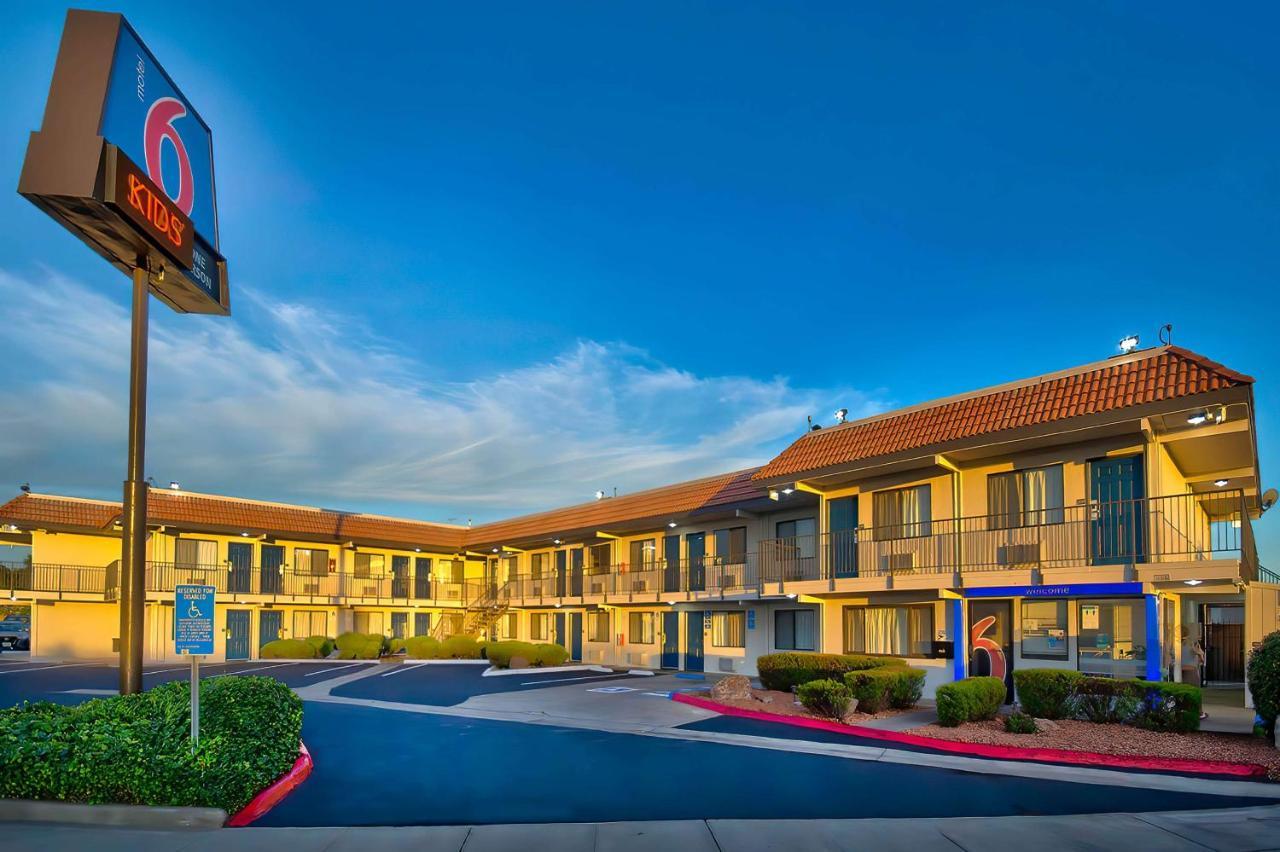
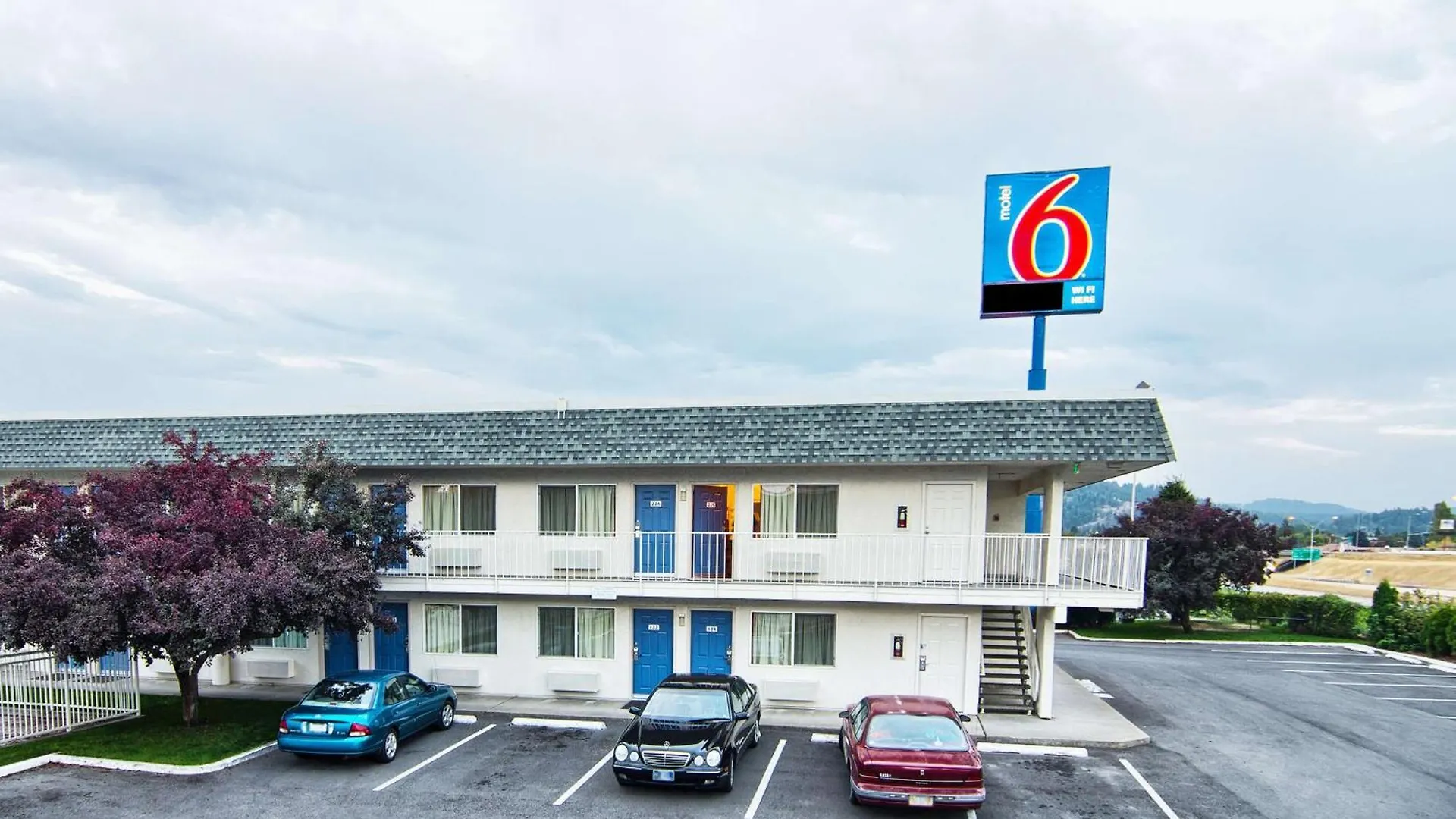
1. Motel 6-Coeur D'Alene, Id
Show on map


 Check-infrom 15:00 until 23:59Check-outuntil 11:00
Just a few rooms left at the best rate!
fromUS$ 54
-
2. Best Western Sawtooth Inn And Suites
Show on map


 Check-infrom 16:00 until 23:59Check-outuntil 12:00
Just a few rooms left at the best rate!
fromUS$ 100
Best Premium Stays
These properties go beyond basic amenities - offering full suite configurations, on-site dining, cultural identity, or resort-adjacent positioning that justifies a higher nightly investment for travelers spending multiple nights in the area.
-
3. Towneplace Suites Pocatello
Show on map


 Check-infrom 15:00 until 23:59Check-outuntil 12:00
Hurry – almost gone at this price!
fromUS$ 135
-
4. Shoshone-Bannock Hotel And Event Center
Show on map


 Check-infrom 15:00 until 20:00Check-outuntil 11:00
Rooms filling fast – secure the best rate!
fromUS$ 109
Smart Travel Timing & Booking Advice for Idaho
Idaho's travel calendar splits cleanly by region. Northern Idaho - particularly Coeur d'Alene - peaks from late June through August, when lake temperatures make water activities viable and Silverwood Theme Park draws family visits. Prices in Coeur d'Alene during July can run around 40% above shoulder-season rates, making May and September the most cost-effective windows for that area without sacrificing pleasant weather. Southern Idaho - Jerome, Twin Falls, Pocatello - sees more distributed demand, with summer weekend spikes around Snake River Canyon events and a secondary uptick during winter for travelers routing toward Sun Valley ski access. Fort Hall's Shoshone-Bannock Hotel experiences its highest demand during the annual Shoshone-Bannock Indian Festival in August, when rooms sell out weeks in advance. Book at least 8 weeks ahead for any Idaho property during July and August if you have a fixed arrival date. Shoulder-season travelers - May, early June, September - will find last-minute availability more realistic, and the outdoor landscape is often at its most photogenic during these windows. A minimum stay of two nights makes sense at most of these properties given driving distances between Idaho's main attractions.